PPF Removal in Dubai
PPF Removal in Dubai —
What You Need to Know Before It's Too Late
Removing paint protection film sounds simple. When it is done right with quality film, it is. When it is not, it can leave your paint in a worse condition than if you had never protected it at all.
PPF removal is not always straightforward
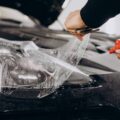
Every paint protection film has a lifespan. Whether you are changing to a new film, selling your car, or removing a film that has reached the end of its life, at some point the PPF comes off. For customers with quality film installed correctly, removal is generally a clean and straightforward process. For customers who had cheap film installed, it is often where the real problems begin.
At Glitz Car Care we carry out PPF removals regularly and we see the full range of situations — from clean, easy removals on well-maintained quality film to hours of careful work trying to save paint underneath film that should never have been installed in the first place. This guide covers everything you need to know so you are prepared before the time comes.
The most common reasons for PPF removal in Dubai
There is no single reason customers bring their car in for removal. In our experience the situation usually falls into one of four categories, each with its own level of complexity.
Poor quality film that is failing
This is the most frequent situation we see. Cheap film installed by budget installers begins to show signs of failure well before any reasonable warranty period. Edges lift, the topcoat hazes and yellows, and the adhesive starts to break down under UAE heat. At this point removal is no longer optional — the film is causing more harm than good and needs to come off before it damages the paint underneath.
Film that has exceeded its warranty period
Even quality PPF has a lifespan. Once a film passes its warranty period, the adhesive begins to age and the topcoat loses its properties. Removing it at the right time — before it starts bonding too aggressively to the paint — makes the whole process far cleaner and less risky. Waiting too long is one of the most common mistakes we see.
DIY installation gone wrong
Attempting to install PPF at home without professional training rarely ends well. Poor application leads to lifting edges, trapped air bubbles, and film that bonds unevenly to the paint surface. When this film comes off it often takes significantly more time and care to remove cleanly, and the risk of paint damage is much higher than with a professionally installed film.
Clean removal for reapplication or sale
Some customers simply want to refresh their film at the end of its life, upgrade to a better product, or remove the PPF before selling the car. When quality film has been properly maintained, this is the most straightforward scenario and usually presents no complications at all.
What cheap film does to your car when it comes off
This is the part most budget installers will never tell you about when they are quoting you a cheap price. The true cost of low-quality PPF is not just in how it performs while it is on — it is in what it leaves behind when it comes off. We see this regularly at Glitz and it is genuinely one of the most frustrating situations for car owners to be in.
Glue residue left on the paint
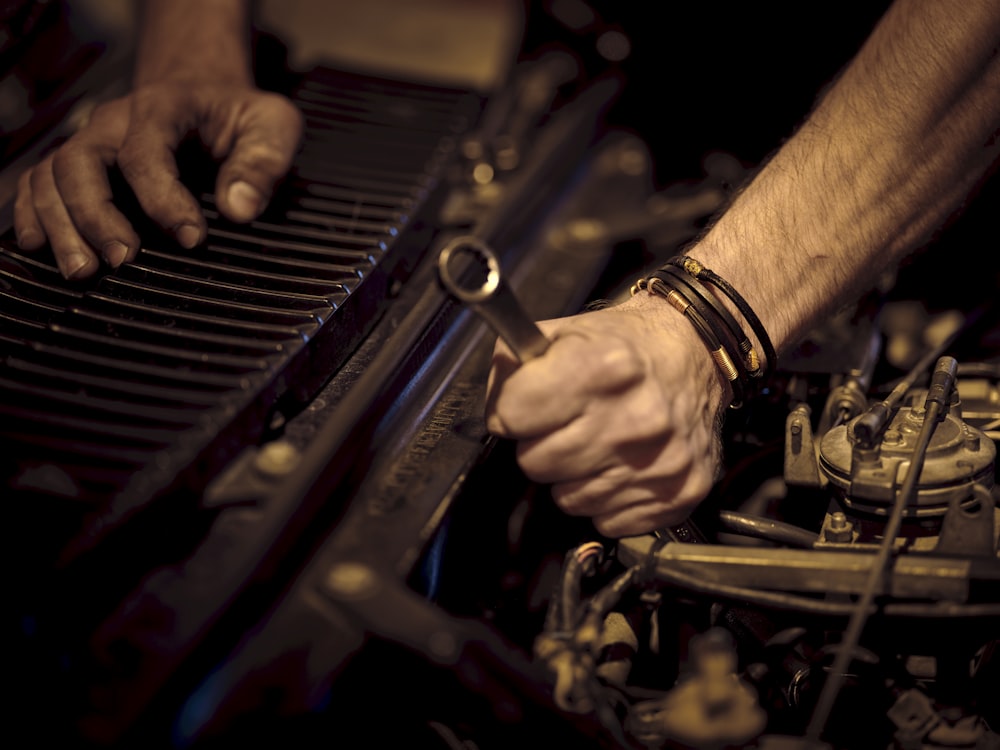
Cheap adhesives are not formulated to release cleanly from paint surfaces, especially after being baked by UAE summer heat for months or years. What should peel off in one clean movement instead leaves a sticky, cloudy residue across entire panels. Removing this residue without damaging the clear coat requires specialist solvents and significant time — all of which adds to your removal bill.
Film breaking into small pieces
Quality PPF removes in large, controlled sections because the film maintains its structural integrity. Cheap film — especially once the topcoat has hardened and cracked in Dubai heat — breaks apart into small fragments during removal. Instead of peeling a panel in minutes, a technician spends hours working through tiny pieces one by one. This dramatically increases your removal cost and the risk of damage.
Topcoat cracking and paint staining
When a cheap film's topcoat degrades under UV and heat, it does not just haze — it can crack and bond differently to the paint surface beneath it. In some cases the cracked topcoat leaves a chemical stain pattern on the clear coat that mirrors the crack lines in the film. This is one of the most difficult outcomes to reverse and can require a full paint correction or in severe cases a respray.
Adhesive failure in UAE heat
Film designed for global climates uses an adhesive not specifically engineered for sustained 45 to 48°C surface temperatures. Over time in Dubai heat, this adhesive either becomes too aggressive and bonds too deeply into the clear coat, or it breaks down completely and leaves a distributed residue across the panel. Neither outcome is pleasant to deal with at removal time.
The damage caused by cheap PPF removal is often more expensive to fix than the original cost of choosing quality film. We have seen customers pay for a budget PPF installation, then pay again for removal, and then face additional paint correction costs on top. Choosing the right film from the beginning is always the cheaper option in the long run.
How long does PPF removal actually take?
The time required for removal varies considerably depending on the condition of the film, the quality of the original installation, and how long the film has been on the car. Here is an honest guide to what to expect.
| Situation | Typical time | Complexity |
|---|---|---|
| Quality film, within warranty period, well maintained | 3 to 5 hours | Straightforward |
| Quality film, past warranty but intact | 4 to 7 hours | Manageable |
| Cheap film, edges lifting but topcoat intact | 6 to 9 hours | Difficult |
| Cheap film, breaking apart during removal | 8 to 14 hours+ | Very difficult |
| DIY installation, poorly bonded | 6 to 12 hours | Difficult |
| Film with heavy adhesive residue requiring solvent treatment | Additional 2 to 4 hours | Adds to any removal |
These are working hours at the car, not total visit time. We always recommend booking your car in for a full day so there is no pressure to rush the process. Rushing a PPF removal is one of the fastest ways to cause paint damage.
PPF removal pricing at Glitz Car Care
Our removal pricing reflects the actual condition of the film and the work involved. We do not charge a flat rate for every car because a clean removal on quality film and a difficult removal on cheap film are genuinely very different jobs.
Removal pricing for sedans and hatchbacks
Final cost depends on the condition of the film, how long it has been installed, and the quality of the original installation. We assess every car individually and give you a clear price before any work begins.
If you had your PPF installed at Glitz Car Care using STEK or GLITZ DEFEND film, your removal will almost always fall at the lower end of our pricing. Quality film installed correctly by experienced technicians simply removes more cleanly. That is one of the benefits of choosing the right product from the beginning — you save at both ends of the film's life.
What happens to your paint after the film comes off?
Once the film is removed, the paint underneath is inspected thoroughly. In most cases with quality film, the paint beneath is in excellent condition — often better preserved than any exposed areas of the car. This is PPF doing exactly what it is supposed to do.
We recommend a light paint decontamination and polish after every removal regardless of how clean it looks. This removes any microscopic adhesive traces, evens out the surface, and prepares the paint properly for either reapplication of new film or a fresh ceramic coating. Starting with a perfectly clean surface always gives the new film the best possible bond and appearance.
- ✓ Full panel inspection under workshop lighting to check for adhesive residue, staining, or paint damage
- ✓ Chemical decontamination wash to remove any remaining adhesive traces
- ✓ Light machine polish to restore paint clarity and surface smoothness
- ✓ Surface preparation if new PPF is being reapplied immediately
- ✓ Full condition report so you know exactly what the paint looks like before any new product goes on
The best time to remove your PPF — do not wait too long
One of the most consistent pieces of advice we give customers is this: do not wait until the film is visibly failing before you remove it. The longer a film sits on a car past its optimal lifespan, the harder and riskier the removal becomes.
A good rule of thumb is to have your film inspected by a professional around the time it reaches its warranty expiry. At that point a technician can assess whether it still has life in it or whether removal and reapplication is the smarter choice. Catching it at the right time means a cleaner removal, lower cost, and paint that comes out in much better condition.
UAE heat accelerates the ageing of PPF adhesives and topcoats significantly compared to cooler climates. A film that might last comfortably to its warranty period in Europe may need attention sooner in Dubai. If you notice any yellowing, hazing, edge lifting, or surface cracking on your film, book an inspection as soon as possible — do not leave it through another summer.
Need your PPF removed or inspected?
Send us a message on WhatsApp with your car details and we will assess your situation and give you a clear, honest quote before any work begins.
+971 58 568 4049 Chat with us on WhatsApp